
How to Boost Your Credit Score for a Better Mortgage Rate

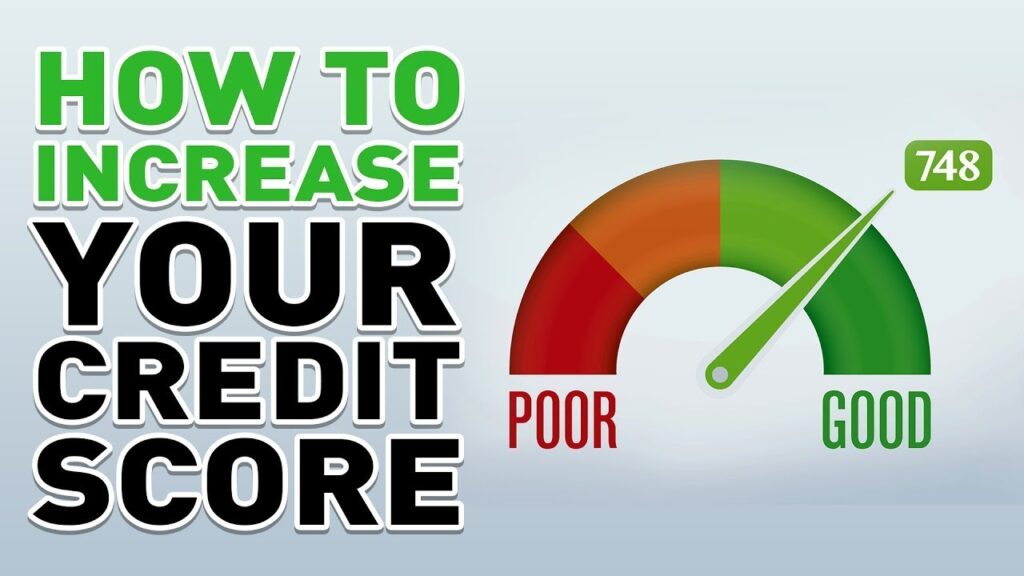
Boosting your credit score for a mortgage comes down to five moves: pay every bill on time, keep credit card utilization under 30%, take on no new debt before closing, dispute errors on your credit reports, and keep old accounts open. Most buyers see improvement within 30 to 60 days, and the payoff is real: a meaningfully higher score can move your rate enough to save thousands over the life of the loan.
Why does your credit score matter?
Your credit score is your financial report card: it tells lenders how reliable you are with money. For mortgages, scores range from 300 to 850, and higher is better:
- 740+: Unlocks the best rates, saving you big.
- 620-739: Decent rates, but you might pay more.
- Below 620: Tougher to qualify, with higher rates.
As illustration, a full point of rate improvement cuts the principal-and-interest payment by roughly 10 percent: coffee money and a new couch over time.
How do credit scores affect mortgage rates?
Lenders use your score to gauge risk: a higher score signals reliable payment, so they price your loan cheaper. The gap between a mid-600s score and a mid-700s score routinely amounts to a noticeably higher rate, and tens of thousands of dollars of extra interest across a 30-year loan. Whether you are buying in West Michigan’s suburbs or across the U.S., a better score means more home for your money.
Five ways to boost your credit score
Ready to flex your financial muscles? Here is what moves the needle fastest:
1. Pay bills on time, every time
Late payments are the fastest way to tank your score. Set up auto-pay for credit cards, student loans, and utilities, and let your banking app’s reminders track the due dates, because who has time to remember?
2. Lower your credit card balances
Keep your credit utilization (balance vs. limit) below 30%. Got a $10,000 limit? Do not owe more than $3,000. Pay down the highest-utilization cards first.
3. Avoid new debt
Applying for new cards or loans before your mortgage can ding your score. Hold off on that store card or car loan until after closing. Your future self will thank you.
4. Check your credit report
Errors happen. Pull free reports from AnnualCreditReport.com and dispute mistakes, like accounts that are not yours. Clean reports also mean faster approvals.
5. Keep old accounts open
Closing old credit cards can shorten your credit history, hurting your score. Keep that college card active with small, paid-off charges. It is like keeping your Pokémon cards for nostalgia, only better.
How long does it take to boost your score?
Good news: you can see improvements in 30-60 days with consistent effort. Major jumps (say, 100 points) can take 6-12 months, especially if you are recovering from missed payments. Start now, and by the time you are ready to buy, your score can be mortgage-ready.
What does a strong score unlock for Michigan buyers?
Michigan’s housing market varies: West Michigan’s cozy neighborhoods, Detroit’s urban vibe, rural retreats up north. A strong credit score helps you:
- Compete in hot markets like Holland or Grand Haven.
- Afford more home in affordable areas like Saginaw.
- Qualify for programs like FHA loans on the best available terms, or step up to conventional pricing where the rate rewards are biggest.
Nationwide, these tips work in any market, making you a stronger buyer.
Disclaimer: Information provided is for educational purposes. Consult a mortgage or financial professional for personalized advice.