
Buying vs. Renting: What to Consider
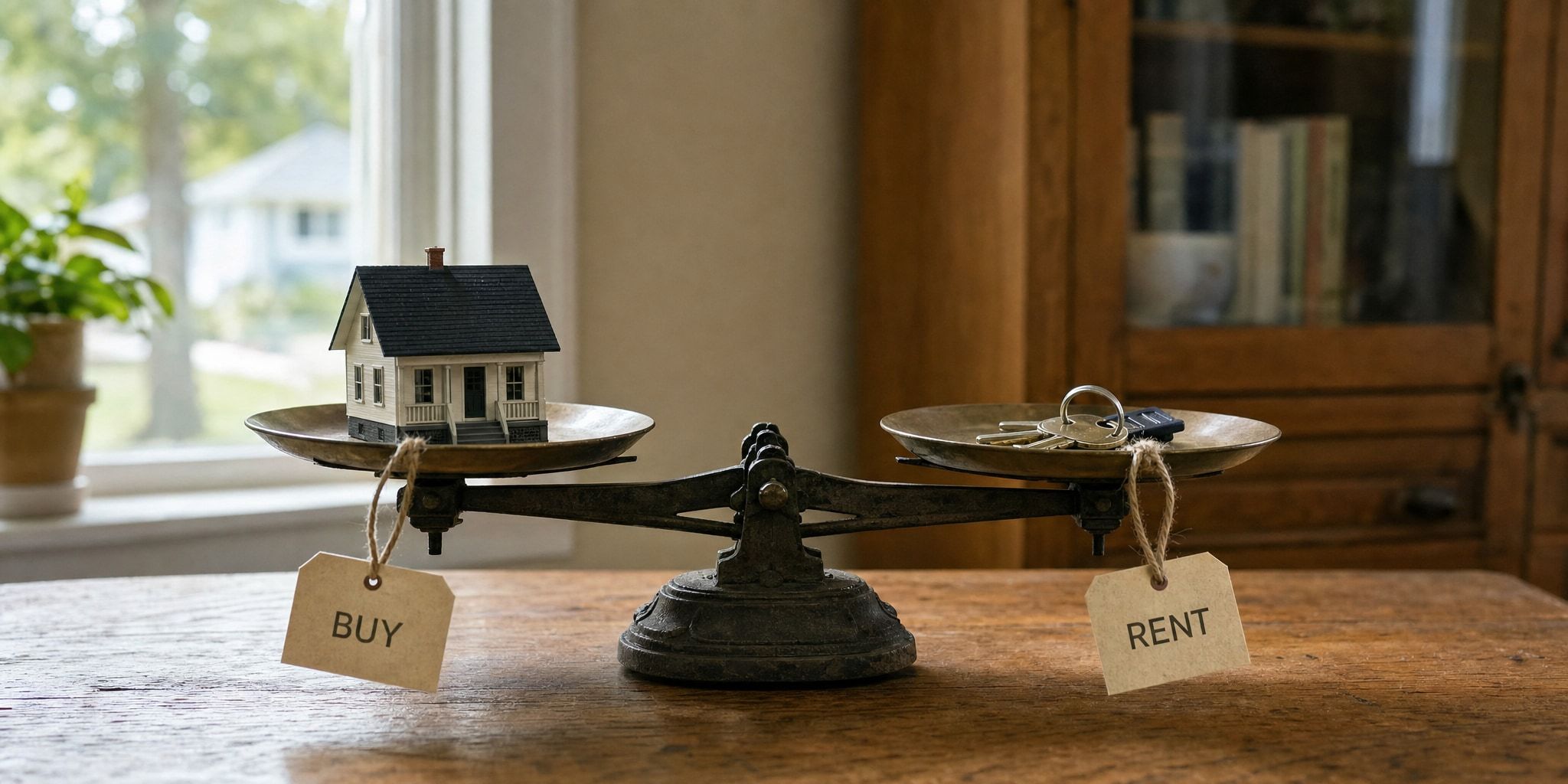
For most people who plan to stay put five years or more, buying beats renting: every mortgage payment builds equity you keep, a fixed-rate payment never rises the way rent does, and homeowners may collect tax advantages renters never see. Renting still wins on flexibility and low upfront cost, so the real question is your timeline and financial stability, not which option is “better” in the abstract.
Building equity and long-term investment
Equity accumulation: Purchasing a home lets you gradually build equity over time. Unlike renting, where monthly payments contribute solely to the landlord’s investment, each mortgage installment enhances your ownership stake, a growing asset you can later leverage for other financial goals.
Investment for the long haul: Real estate has historically proven a dependable long-term investment. Short-term fluctuations happen, but property values typically appreciate over time, and homeowners stand to build wealth through that appreciation.
Financial advantages of homeownership
Stable housing costs: With a fixed-rate mortgage, your principal-and-interest payment stays constant for the whole loan term, shielding you from rents that ratchet up year after year.
Tax benefits: Homeowners who itemize may be able to deduct mortgage interest and property taxes from federal income taxes, an advantage unavailable to renters. A tax professional can tell you what applies to your situation.
Forced savings mechanism: Paying a mortgage is enforced saving. Each payment adds to your equity, building wealth on a schedule that requires no extra discipline.
Freedom and personalization
Customization flexibility: As a homeowner, you can remodel the kitchen, repaint the walls, or landscape the yard without a landlord’s approval.
Community connection: Rooting yourself in a neighborhood cultivates belonging and stability, and deeper connections with neighbors and local amenities.
Considering the future
Retirement preparation: Once your mortgage is paid off, housing expenses drop considerably: meaningful relief in retirement. Downsizing or renting out part of the property can also add income streams later.
Generational legacy: A home can pass to future generations, giving your family a valuable asset and a head start on financial security.
Making the decision
Buying does entail a larger initial investment and real responsibilities: maintenance, property taxes, insurance. But if you are financially stable and expect to stay in an area for an extended period, the long-term advantages usually outweigh those costs. If your timeline is short or uncertain, renting’s flexibility genuinely wins.
The practical next step is a real comparison with your own numbers: your rent, your savings, and an actual payment on homes you would consider, including what down payment assistance might cover. Our team runs that rent-vs-buy analysis for free, and a financial advisor can weigh in on the bigger picture. If you aspire to build long-term prosperity, homeownership is a compelling option worth pricing properly.